It’s (almost) that time of year again, but if Christmas shops are allowed in October, next year’s tech trends surely are. Every year we’re inundated with them, so I hope you don’t mind me getting in early with my predictions.
Here are the five retail tech trends I believe we should look out for in 2027.
Andrew's Retail Reflections is a reader-supported publication. To receive new posts and support my work, consider becoming a free or paid subscriber.
1. AI agents start doing the shopping
AI agents that search, compare and buy on someone’s behalf aren’t a new idea, but by 2027 they’re set to become a real channel, not a demo. If an agent is doing more of the product discovery than a human on a browser, your product data has to be built for a machine to read, not a person to scroll past. Accurate stock levels, clear pricing logic, returns terms an agent can actually parse.
This is set to become a real challenge for brands and retailers: who allows the agent to shop autonomously? Should they be allowed to or will they (can they) be blocked? There are a whole host of issues to resolve, however, sure as anything, this will become a thing.
2. Personalisation goes real-time, not just segmented
Most personalisation today is still sorting people into buckets and guessing, and is still largely retrospective; ambulance chasing if you will. Cheaper edge computing changes that. By 2027, pricing, offers and recommendations can shift within a single visit based on what’s actually in the basket right now, not a profile built weeks, months ago. Personalisation is now moving from a campaign to being a live real-time operation.
3. Computer vision becomes standard, not a pilot
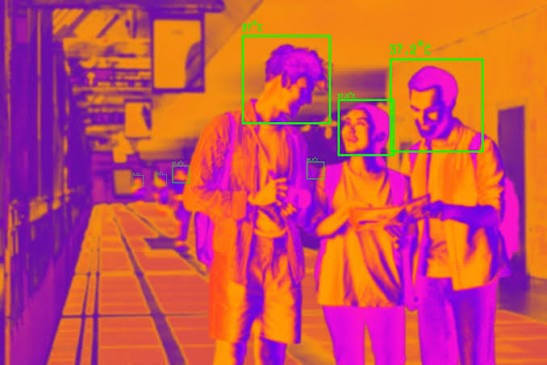
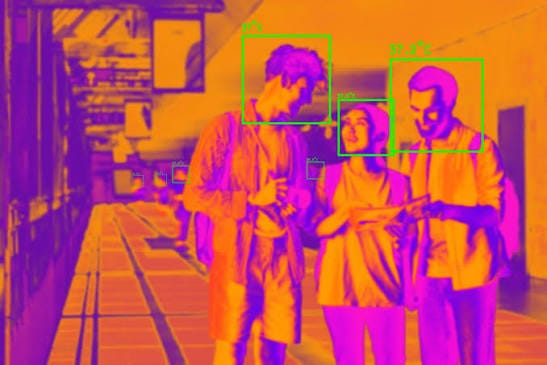
Cashierless checkout got the headlines, however, the bigger shift is computer vision becoming normal store equipment including shelf monitoring, loss prevention, queue tracking, alongside smart carts that handle payment and basic recommendations. Better customer experience remains table stakes, however, as costs continue to rise, shrinkage numbers and fewer staff hours on routine checks will dominate. That becomes a ‘must do’ line item, not a nice-to-have, waiting for spare budget.
4. Supply chains plan for disruption by default
After a few years of shipping delays, extreme weather and general chaos, the retailers doing this well have stopped treating disruption as a one-off exception and built it into how they forecast - running AI-driven scenario planning continuously instead of reforecasting after something breaks. 2027 will see this moving down from the big grocers and fashion chains into mid-sized retailers, mostly because the tools are finally cheap enough to run without a dedicated data science team.
5. Retailers finally rip out the monolith
The least visible trend is also the one that makes the other four possible: retailers moving off single, do-everything platforms onto modular, API-first stacks. It’s slow, unglamorous IT work that never makes a trends list, but it’s the only way to plug in a new AI tool next quarter instead of waiting three years for a re-platform. More mid-market retailers will start this journey in 2027 - not because they want to, but because their current platform literally can’t take what they’re trying to bolt onto it.
The bit that actually matters
None of this is magic, and none of it stays optional for much longer. The common thread across all five: they’ve moved past proof-of-concept and into actually changing how the business runs; the data, the org chart, the checkout queue. The retailers who win in 2027 won’t be the ones who bought the most AI. They’ll be the ones who picked one or two of these that genuinely fit their business and did the boring work of aligning their data and - most importantly - their people.
Andrew's Retail Reflections is a reader-supported publication. To receive new posts and support my work, consider becoming a free or paid subscriber.