Don’t Blame Electric Vehicle Drivers - They’re As Guilty As The Rest Of Us
Andrew Busby · 1 October 2026 · 4 min read
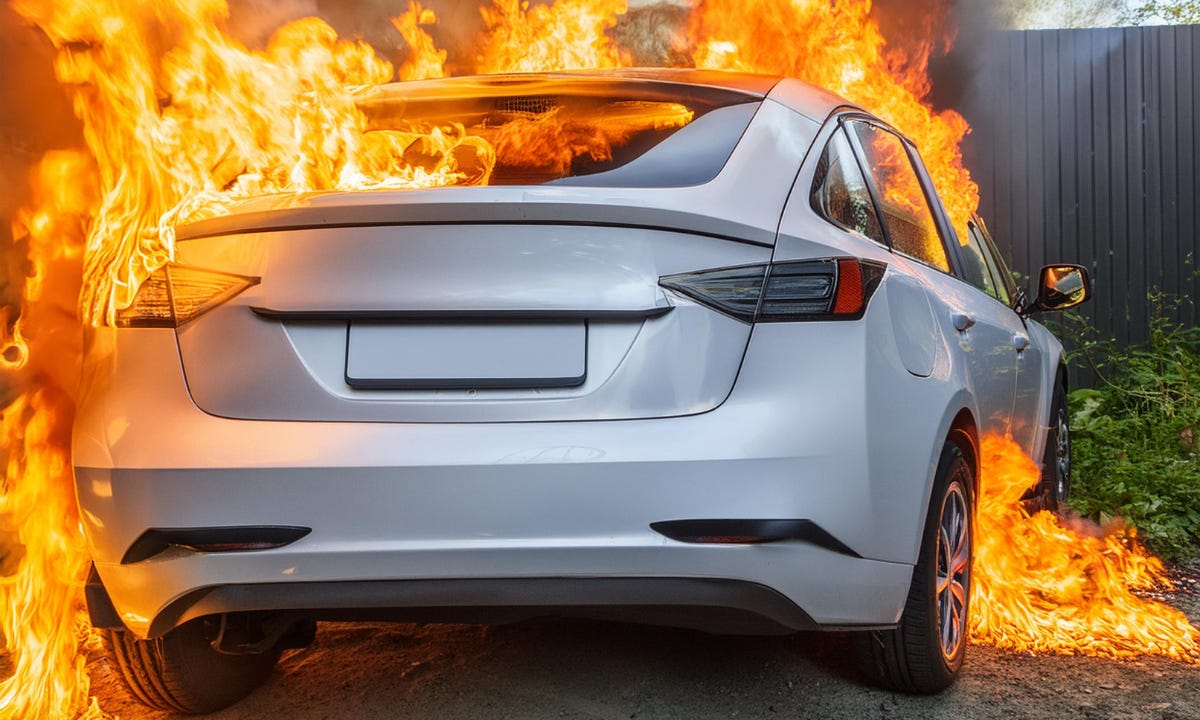
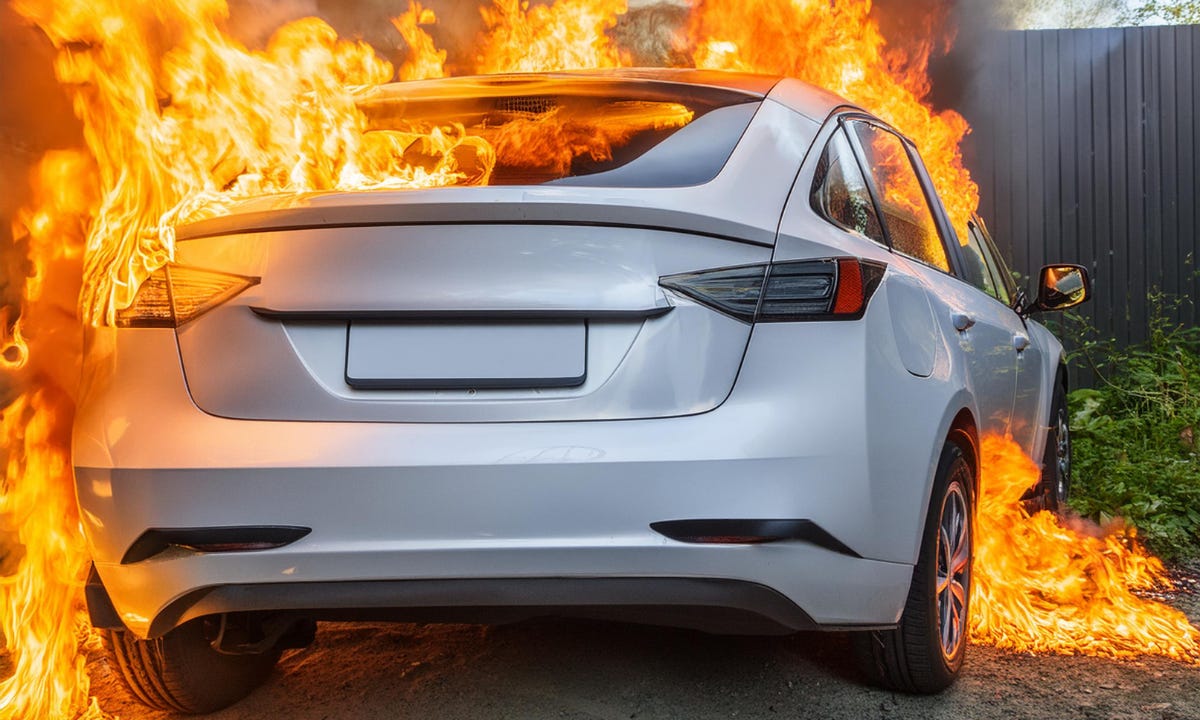
You see them everywhere, a veritable army on our roads, green stripes proudly proclaiming to the world that they are ‘doing their bit’ for the planet. Silently creeping up behind us. To what am I referring? Yes, you guessed it - electric vehicle (EV) drivers.
Andrew's Retail Reflections is a reader-supported publication. To receive new posts and support my work, consider becoming a free or paid subscriber.
Other than the green stripe on the number plate, they’re not too difficult to spot. The self-righteous virtue signalling is something of a giveaway: the misplaced air of superiority over drivers of ‘combustion’-powered vehicles is palpable.
But it’s not the drivers of EVs that I necessarily have an issue with; they’ve made their tax-efficient choice, with scant thought for the fact that a) the infrastructure will never exist to support a nation of EVs, b) taxation is rapidly closing the incentive, and c) if the same trillions of investment had been spent on internal combustion engines, the world would not need EVs in the first place.
Case in point; I recall one year going to the Goodwood Festival of Speed, that annual homage to supporting the Estate, and recall that VW had brought along their latest EV hypercar. Only problem was, they’d also brought along not one, but two huge generators in which to charge the thing.
But I digress.
Because, chances are, those same EV owners are doing the exact same thing as the majority of us when it comes to the environment: discarding or returning our unwanted ‘stuff’ with not a thought for where it will end up.
You see, that very same eco-warrior who proudly displays their green stripe is most likely to have an Amazon Prime account, Shein Club membership or a Temu Circle membership, or all three.
And that there is the problem. ‘Stuff’ has become too easy to acquire, and even easier to discard. Cheap, disposable, one minute the shiny new toy, the next, dumped in the bin or packed off back to sender, from whence to landfill or incineration.
We’ll use fashion as an example, because that’s where most of the atrophy occurs.
How many have any idea what happens to their discarded hug me jacket or see-through plastic jeans?
According to some reports, up to 43% of returned items end up in landfill or being incinerated. And according to data from the European Environment Agency, handling returns, being labour-intensive, means that sorting expenses can exceed 50% of an item's original retail price.
Worse still, according to Landmark Global, Gen Z and Millennials dominate high-return behaviours, with up to 51% regularly bracketing and 43% admitting to wardrobing - while simultaneously demanding free returns, long windows and flexible options.
Who’s to blame?
It would be easy to blame the consumer; after all, they are the ones perpetuating the behaviour, seemingly oblivious to the impact on the planet and the environment. But that would be to oversimplify the problem.
The world produces between 80 billion and 150 billion new clothing items every single year.
Waste: Up to 30% to 40% of these clothes go unsold, with billions of items sent straight to landfills, incinerated, or dumped in countries across the Global South.
Value Lost: Consumers and businesses lose hundreds of billions of dollars in value annually from discarded or underused clothing.
Why It Happens
Fast Cycles: Brands push out hundreds of new micro-trends and weekly drops rather than sticking to traditional seasonal collections.
Fear of Stockouts: Retailers prefer overproducing inventory rather than risking a shortage of a popular item.
Low Production Costs: Cheap synthetic materials and outsourced labour make mass manufacturing financially rewarding for companies, even when large portions of stock go to waste.
Environmental and Human Impact
Emissions: The fashion sector causes roughly 4% to 10% of total global carbon emissions.
Pollution: Manufacturing uses vast amounts of water and pollutes waterways with microplastics and chemical dyes.
Landfills: Mountains of unwearable, low-quality synthetic clothes overwhelm textile hubs in places like Ghana and Chile’s Atacama Desert.
What’s the solution?
Better Forecasting: Brands are beginning to use artificial intelligence and data tools to match supply more closely with actual demand.
Made-to-Order Models: Some slow-fashion labels only produce items after a customer places an order, completely cutting out excess inventory.
Stricter Laws: Governments are introducing new rules - such as European destruction bans and producer responsibility fees to hold clothing companies financially accountable for their waste.
That EV sat on the driveway may not burn petrol or diesel, and most likely the instant torque will scare the crap out of its owner, but I’ve got news: sure as the Atacama is filling up with polyester, that EV is silently destroying the planet.
Andrew's Retail Reflections is a reader-supported publication. To receive new posts and support my work, consider becoming a free or paid subscriber.