A World Without Google? It Might Be Closer Than You Think
Andrew Busby · 1 November 2026 · 3 min read
Let’s consider a number. $500bn.
Andrew's Retail Reflections is a reader-supported publication. To receive new posts and support my work, consider becoming a free or paid subscriber.
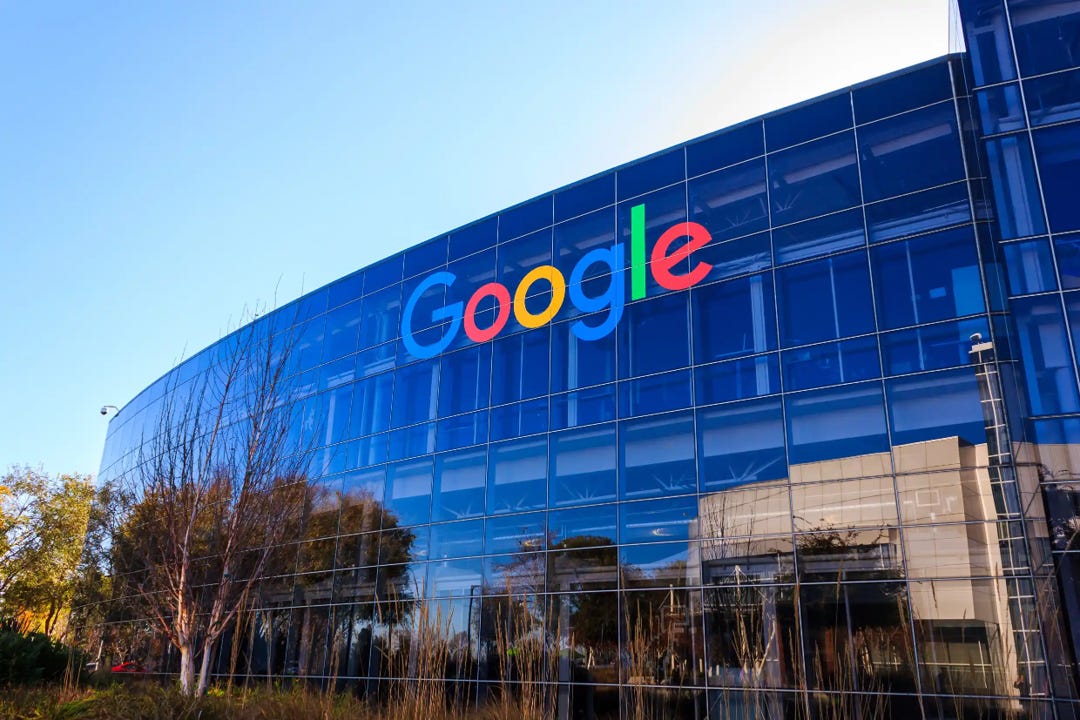
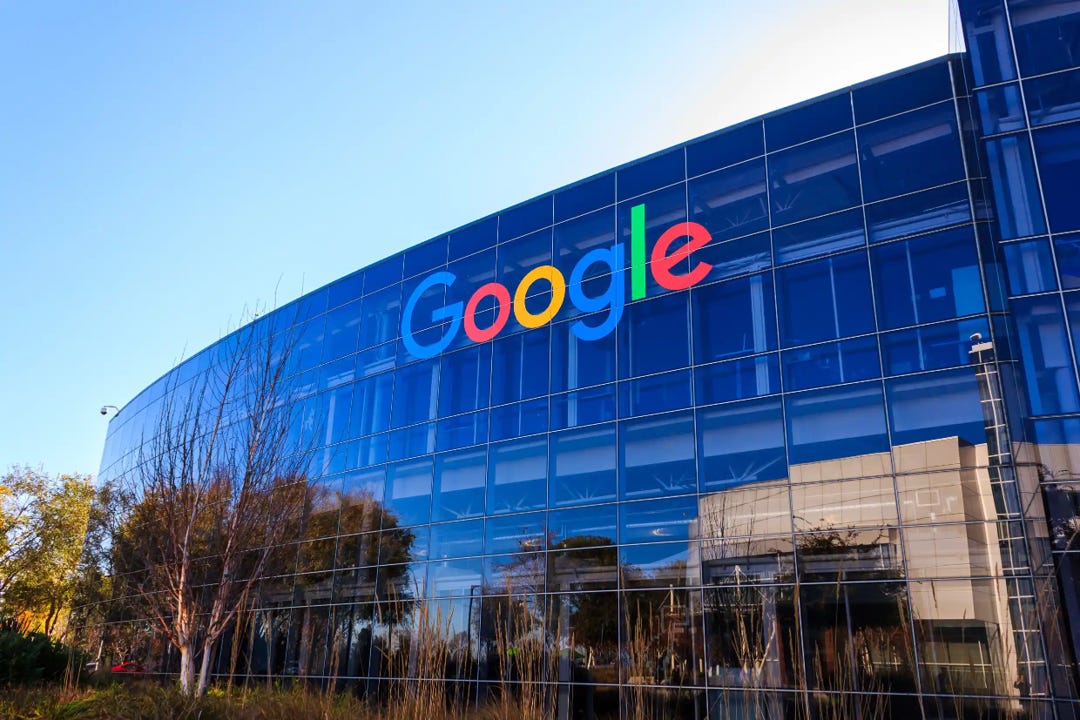
That is roughly what Alphabet, the parent of Google, lost in market value on Thursday. In a single trading session. Its shares fell almost 13%, its worst day ever and the second-biggest one-day wipe-out in stock market history, behind only Nvidia in January 2025.
AI bubble, overreaction, buy the dip. But here’s the thing. I think everyone is staring at the wrong number.
The trigger was Wednesday’s third-quarter results. Revenue up 25% to $127.6bn, but short of expectations. Search growth down to 12%, from 17% the previous quarter and 19% the one before. Capital spending of $51.4bn in the quarter alone, with a full-year forecast of $195–205bn. And free cash flow negative for the second quarter running. Microsoft, hardly shy about spending on AI, barely moved.
And yet Google Cloud more than doubled, up 103% to $30.7bn. So, this isn’t a company falling over. It is a company being asked an awkward question: what do you do when the thing that made you rich is the thing you are spending $200bn to disrupt?
Is Google killing itself?
Partly, yes. Think of it as a pincer movement.
Who Googles Google anymore? People increasingly ask AI, be it ChatGPT, Claude, Copilot etc. rather than type a query into a box. Google’s own AI answers, which give you a reply instead of ten links, risk cutting the very clicks advertisers pay for. As Mike O’Rourke of JonesTrading told the Wall Street Journal, Google “showed vulnerability to AI”.
From behind, Google is funding the fightback from the profits of the old model, and those profits no longer cover the bill. Richard Reyle of Questar Capital Partners put it neatly: “We are now getting to see who is spending rationally on AI and who is not.”
It is the innovator’s dilemma with the biggest cheque book in history. Kodak invented the digital camera and still couldn’t bring itself to bury film. Google, to its credit, is building the thing that threatens it. The question is whether investors will keep funding the old engine and the new one at the same time.
A world without Google?
Could it happen? Not literally. Alphabet still has Cloud, YouTube, Android, Gemini and a balance sheet most of us can only dream of. (And let’s face it, nobody says “I’ll just Gemini it.”)
But a world without Google as we have known it, the default front door to the internet is no longer unthinkable. The market has just put a price on that possibility.
What does it mean for retail?
This isn’t a story about a share price. It’s a story about dependency.
A generation of retail growth has been built on renting attention from Google: paid search, Shopping, and the entire SEO industry that grew up around them. If discovery moves to AI assistants that give one answer rather than a page of options, the shelf shrinks from ten results to one recommendation. Ten blue links gave everyone a chance. One answer doesn’t. You’re either in it or you’re invisible. And it isn’t just retailers. When a buyer asks an AI for a shortlist of suppliers, who gets named?
I’d also expect advertisers to feel the squeeze. A company spending this much has to earn it back, and the people who pay are those with nowhere else to go.
So what should retailers do?
Own the relationship. First-party data, loyalty, email and community don’t depend on an algorithm practically no-one understands.
Be the answer, not just a result. AI systems recommend who they trust, and trust comes from reputation, reviews, credible voices and earned coverage.
And be known by people. The strongest signal is still someone saying “you should talk to them”. Relationships don’t get disrupted by a model update.
Google isn’t going anywhere. But its grip on how customers find retailers, and how retailers find customers, is loosening, and Thursday was the day the market noticed.
So, do you want to be ranked by an algorithm, or recommended by people? I know which one I’d prefer.
Andrew's Retail Reflections is a reader-supported publication. To receive new posts and support my work, consider becoming a free or paid subscriber.